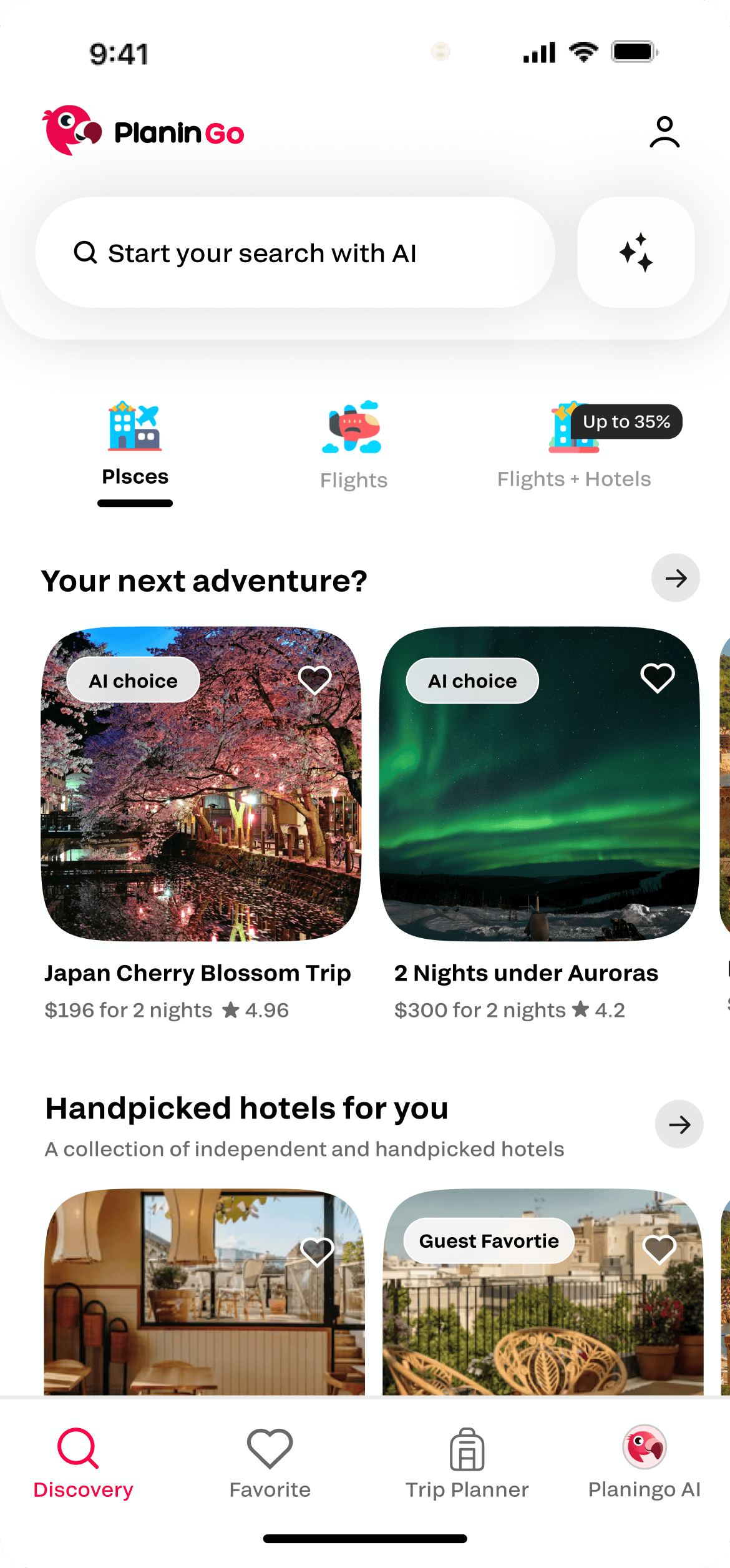
PlaninGo Should Sell Adventures, Not Reservations

A product concept exploring how AI can help travelers discover adventures they never would have searched for themselves.

PlaninGo Should Sell Adventures, Not Reservations

A product concept exploring how AI can help travelers discover adventures they never would have searched for themselves.

The Insight

People don't wake up wanting a flight ticket or a hotel room.

They want a new experience, a new story, a new adventure.

Most travel platforms assume users already know where they want to go.

But many travelers don't. This is where AI can create value.

The Opportunity

Instead of asking:

Where do you want to go?

PlaninGo could ask:

What kind of traveler are you?

Outcome

By learning traveler preferences first, AI can generate personalized adventures that create travel intent and ultimately drive more bookings.

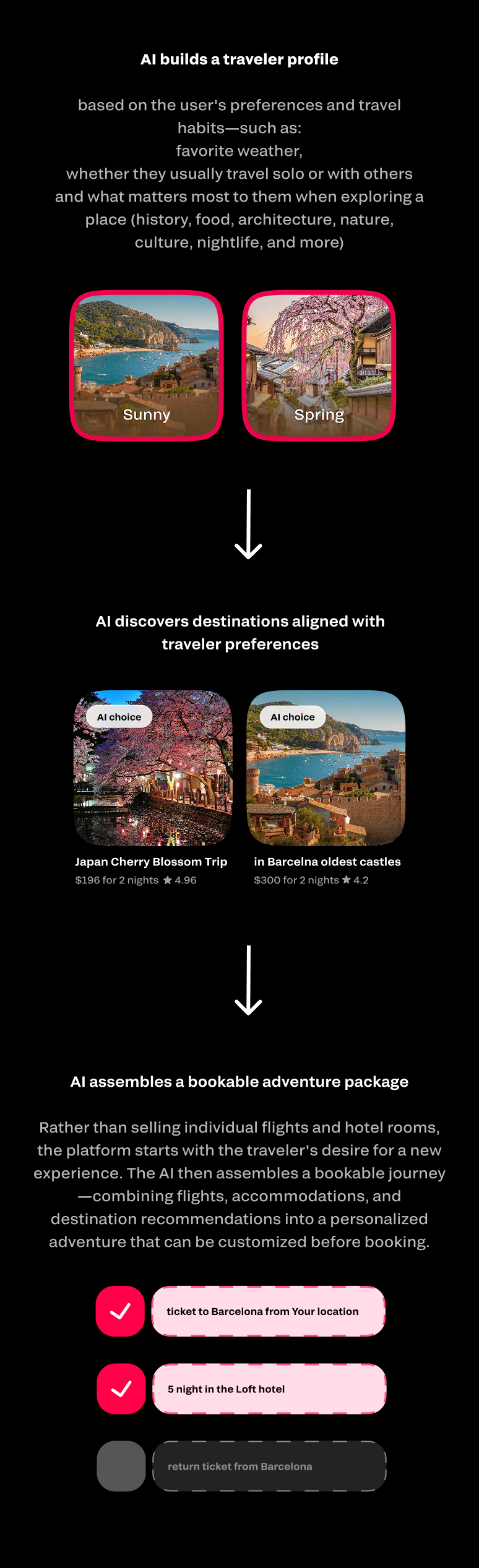
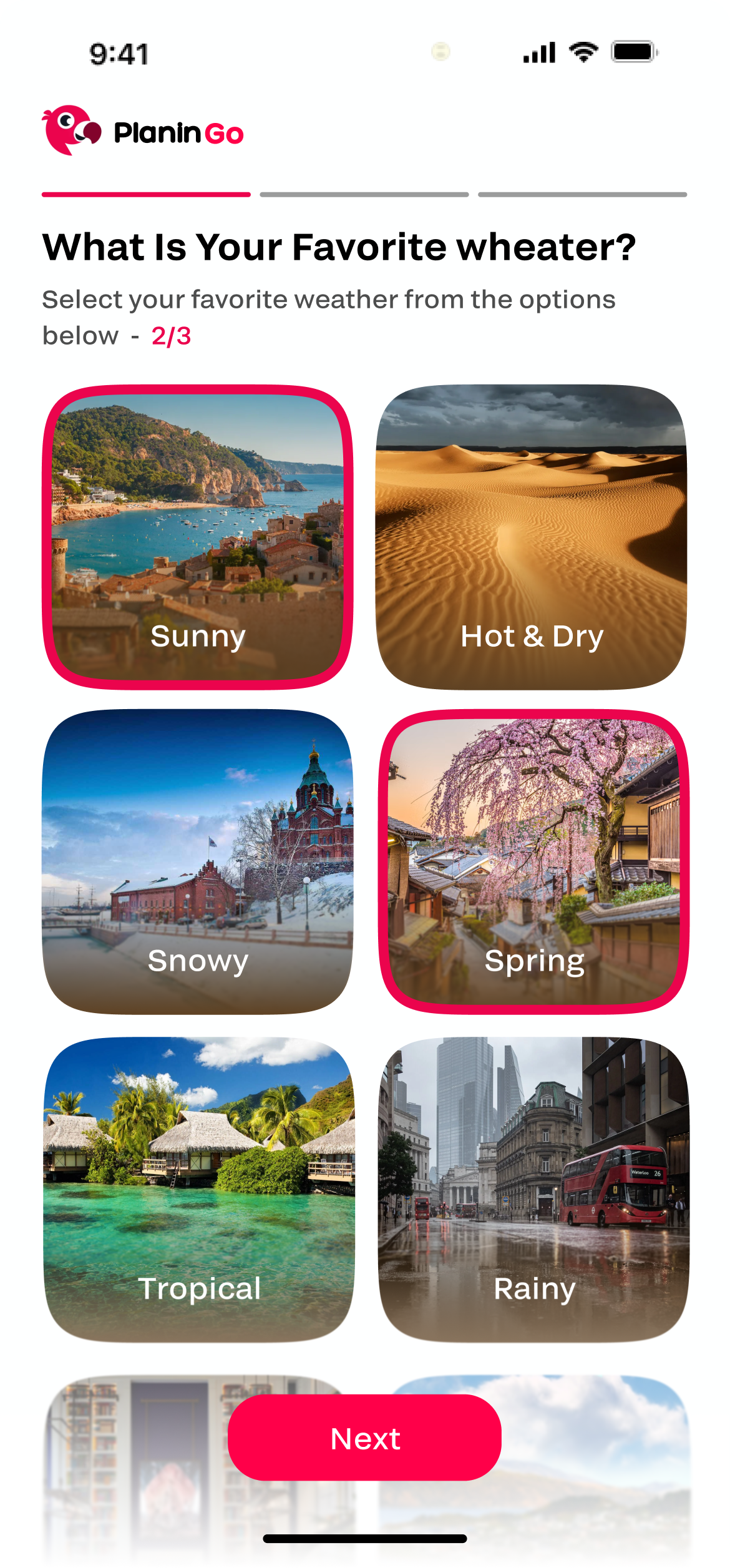
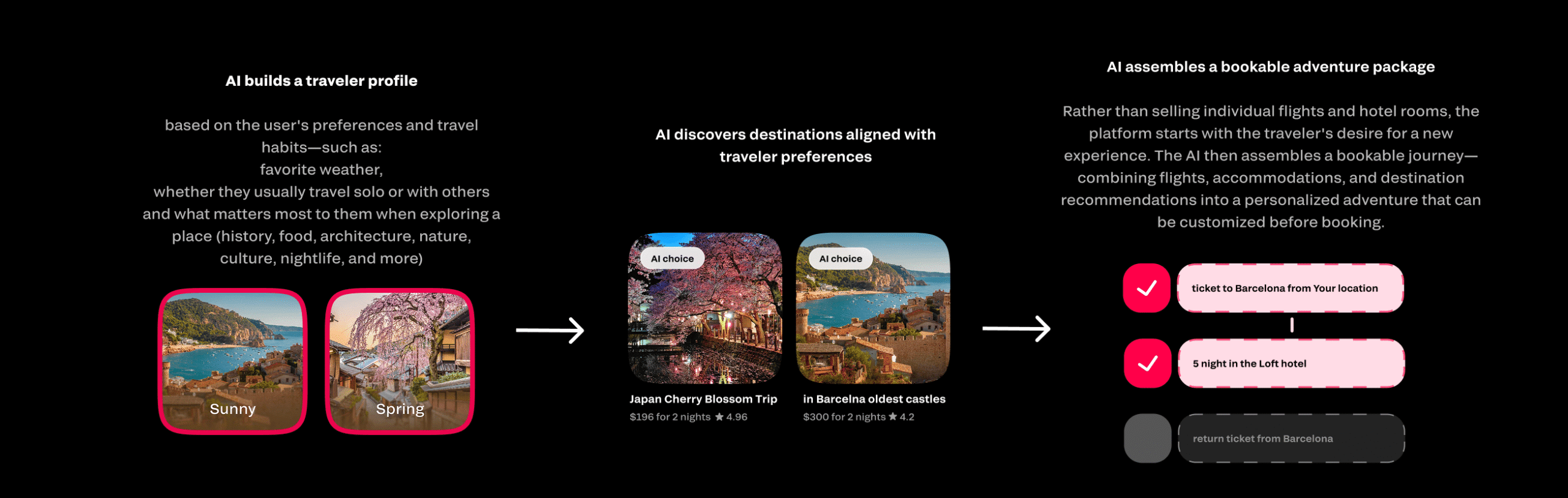
Concept 1 — AI Learns the Traveler

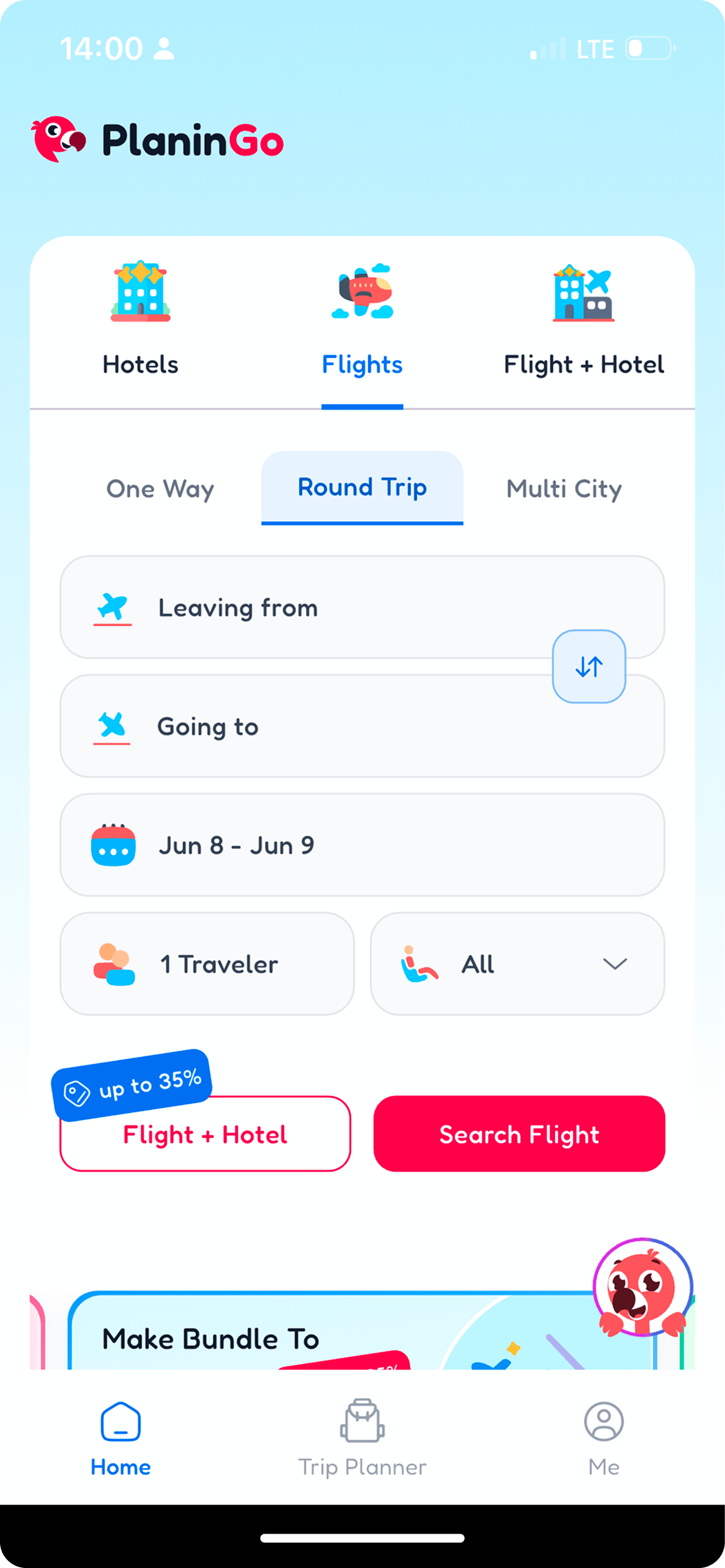
The current experience starts with travel inventory.

This concept starts with traveler identity.

Users teach the AI about their preferences, allowing recommendations to be personalized before the first booking decision is made.

Concept 2 — AI Generates Adventures

Instead of generic destinations, travelers receive personalized adventures based on their preferences.

The AI becomes visible through recommendation quality rather than marketing claims.

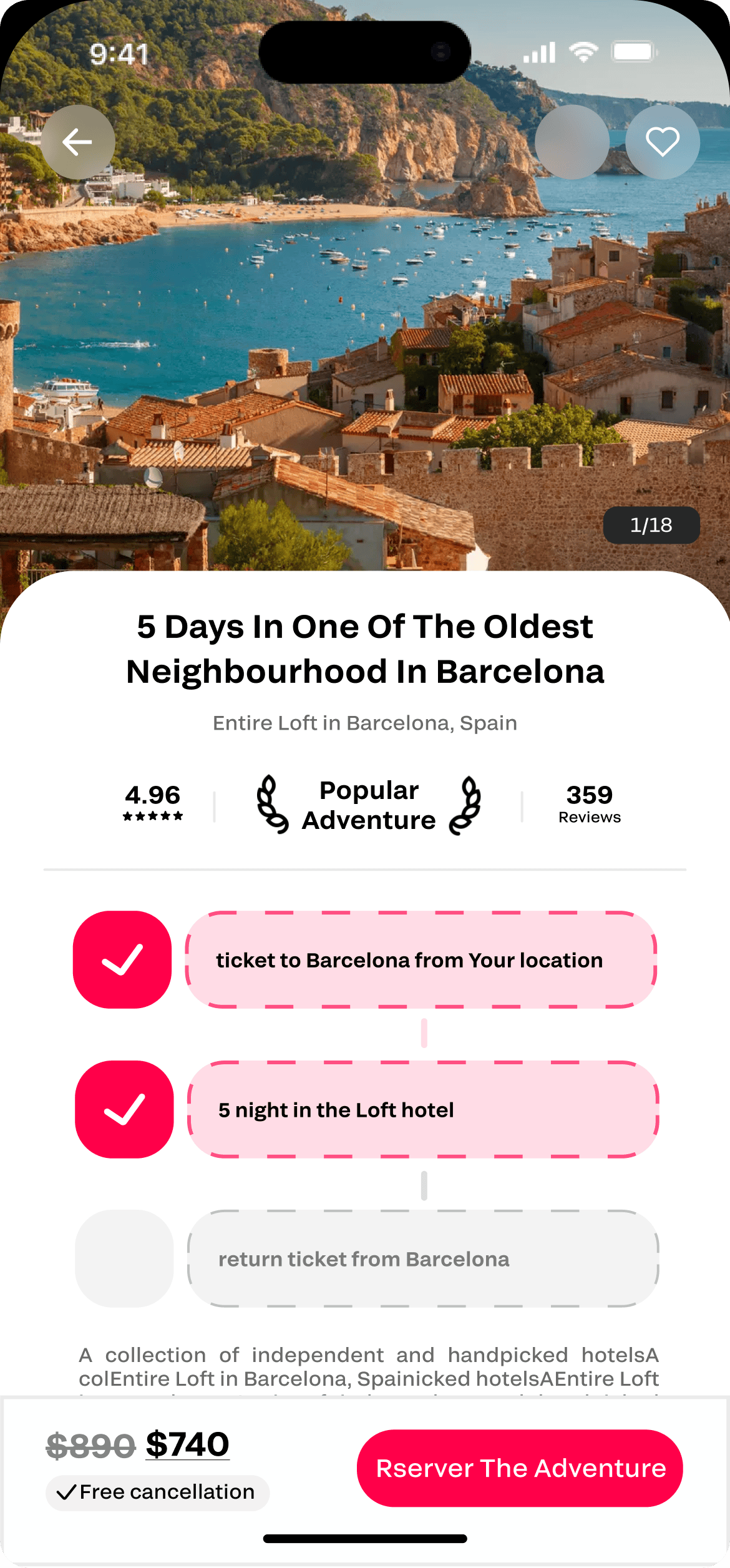
Concept 3 — Adventure Packages

Flights and hotels remain part of the experience.

The difference is that they support the adventure instead of leading it.

The booking infrastructure stays the same.


The presentation changes from inventory-first to adventure-first.

Conclusion

Most travel apps help users book destinations they already know.

An AI travel planner has the opportunity to help users discover destinations they never would have searched for themselves.

That’s the future I explored in this concept.

The presentation changes from inventory-first to adventure-first.

Final Notes

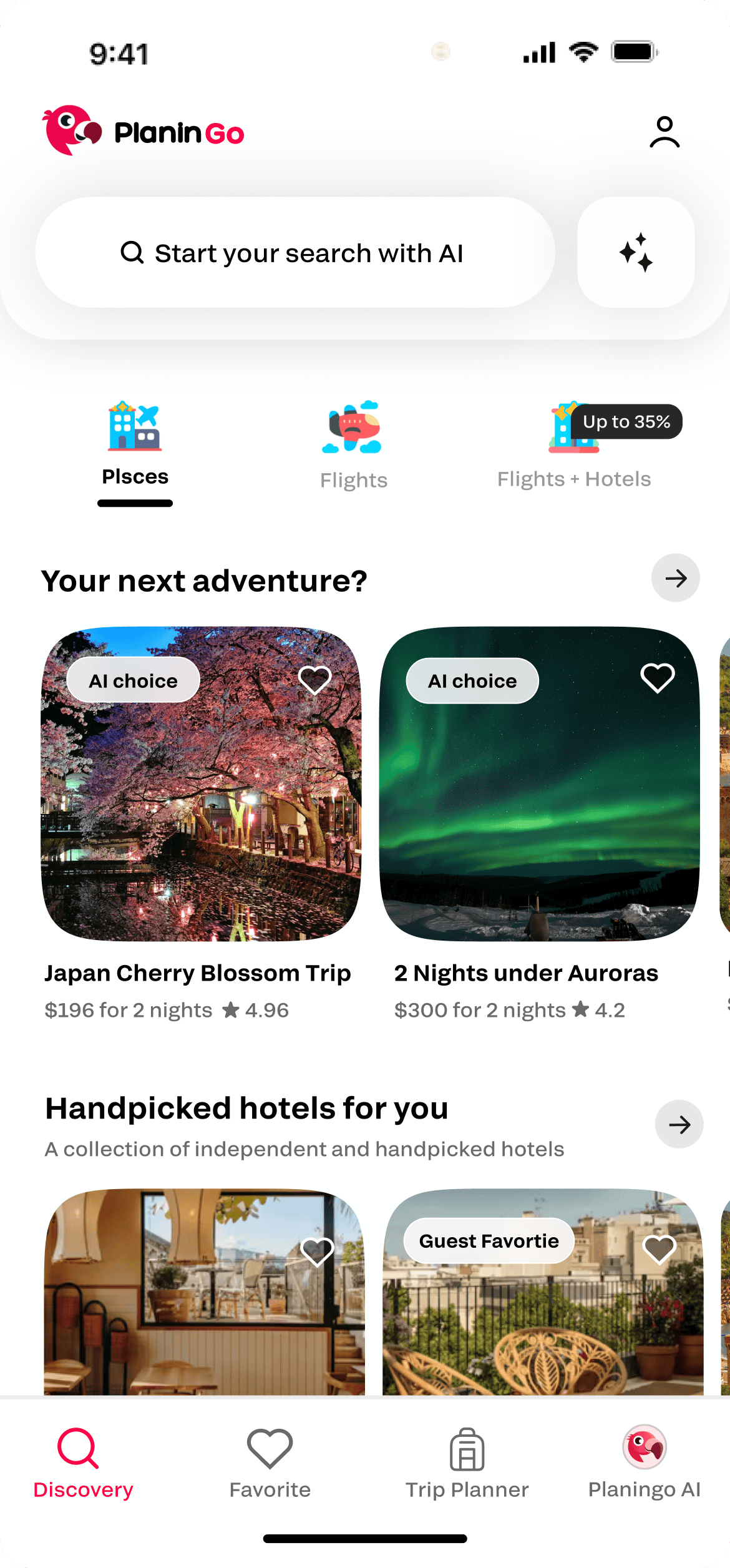
Alongside the strategic concept, I refined the visual hierarchy, spacing system, typography, navigation, and user flows to create a cleaner, more premium experience that better reflects an AI-first product.

One of my goals was to build on the existing foundation rather than reinvent it. Most changes were intentionally incremental, making them easier to implement while preserving familiar user patterns and minimizing engineering effort.

This concept was created independently over a few evenings as a personal exploration of the product. With additional time, I would continue validating assumptions, refining interactions, and exploring further opportunities across the travel journey.
Email

linkedin

Instagram

Twitter